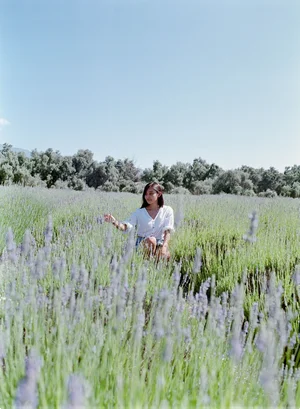
A Visit to Casa Terracota in Colombia
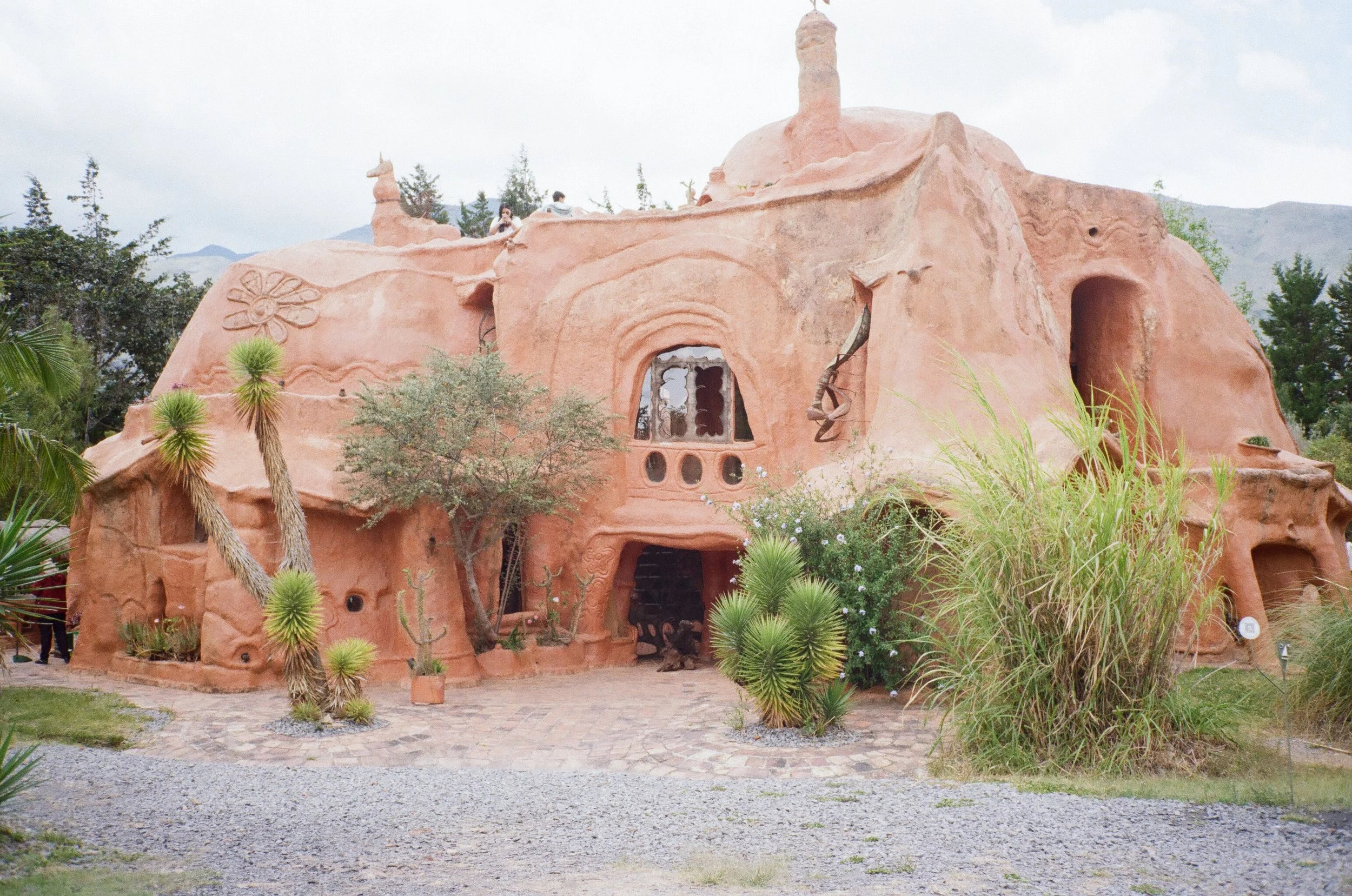
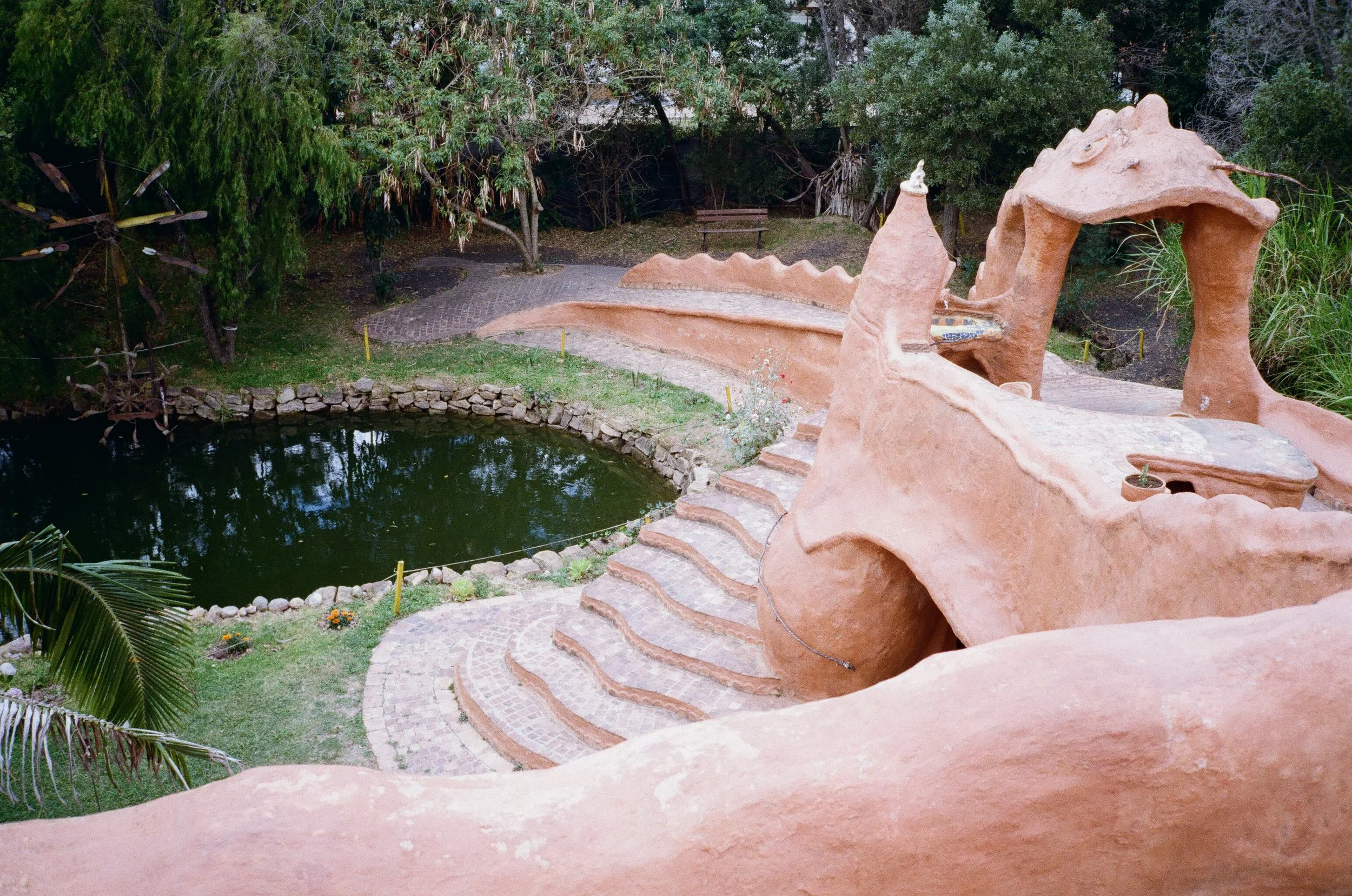
Casa Terracota in Villa de Leyva, Colombia. 2025
Last summer, I finally crossed off one of my bucket list items of getting to visit South America for the first time. My friend, Valeria, a Bogotá native, had her wedding in Villa de Leyva, a quaint little town characterized by stone roads, adobe homes, and Bougainvillea flowers.
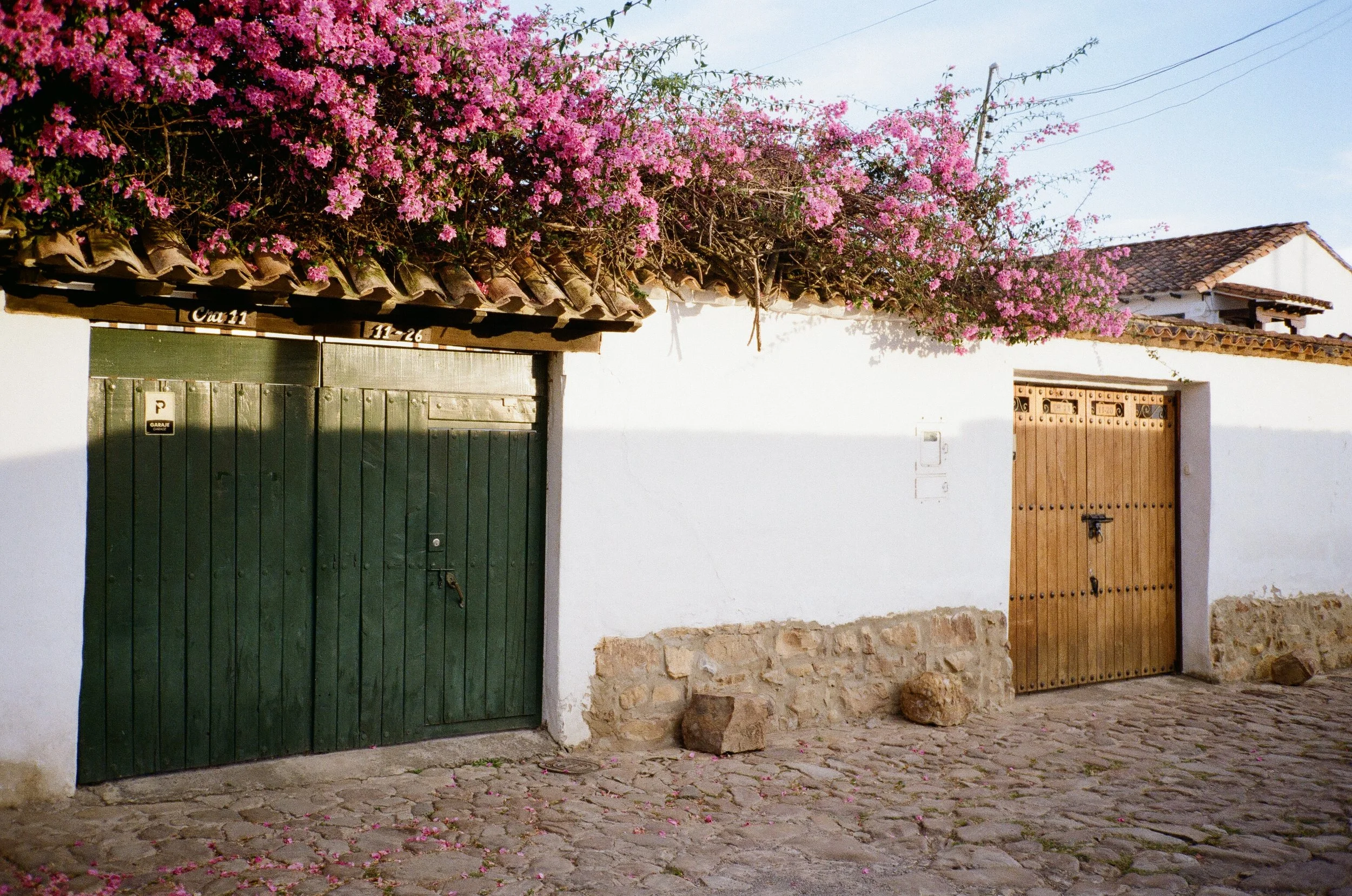
A similar feel to my hometown in Mexico, Villa de Leyva’s architecture ignited feelings of nostalgia. How can a place I’ve never visited before feel like home? Apart from the people, the language, and the culture, it had a lot to do with the grounded feeling that Earth Architecture conveys.
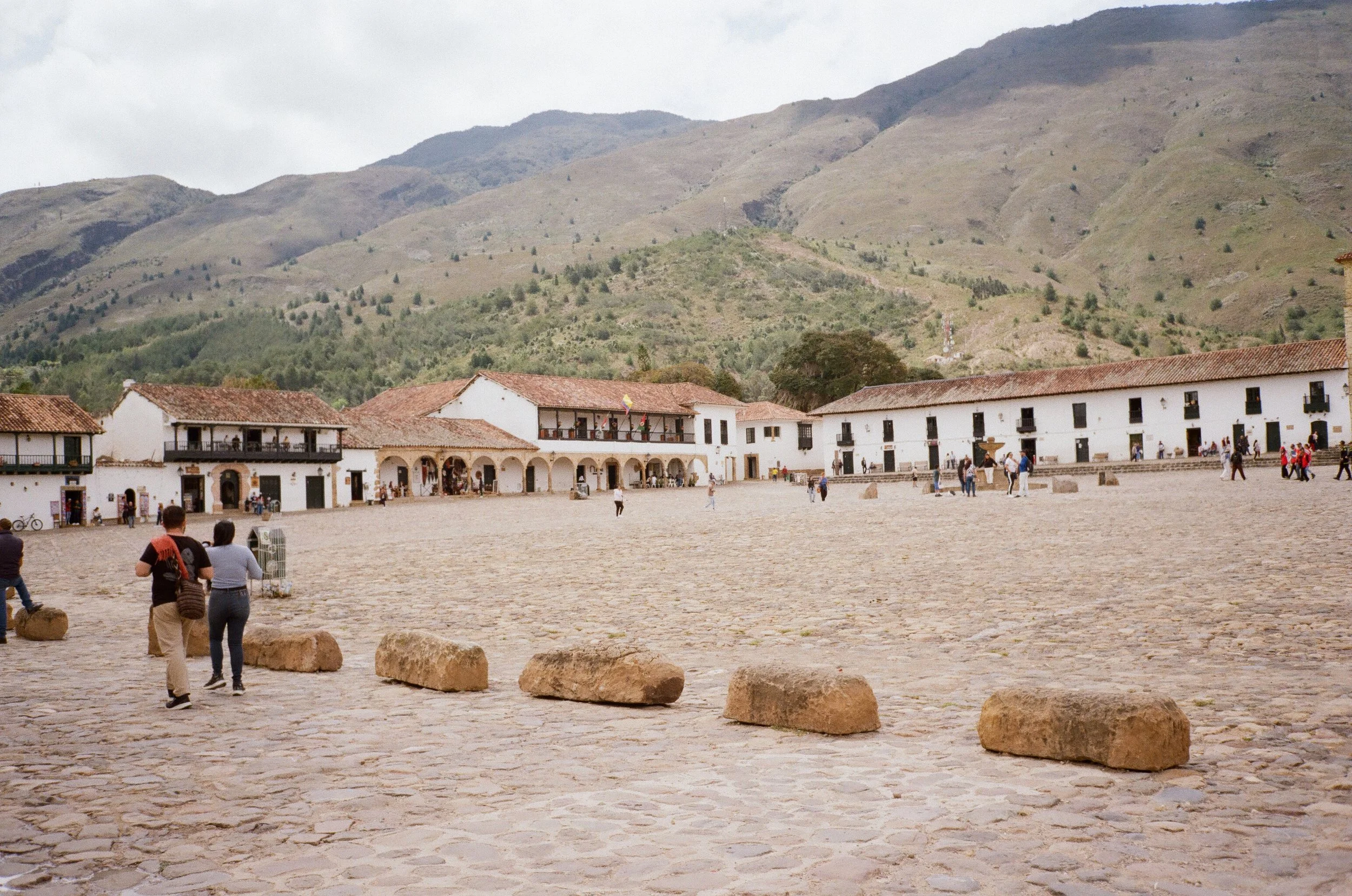
Earth Architecture is not a new concept. The oldest mud houses date back thousands of years, transforming earth into livable art. Adobe homes specifically are sun-baked bricks made up of clay, sand, and straw. Those who are skeptical about how safe it is to live in an earthen building, take Mission Dolores in San Francisco, for example. It was built in 1776 and has withstood the devastating 1906 and Loma Prieta earthquakes and fires. Mission Dolores remains because fire baked the clay building, making it stronger and fire-resistant.
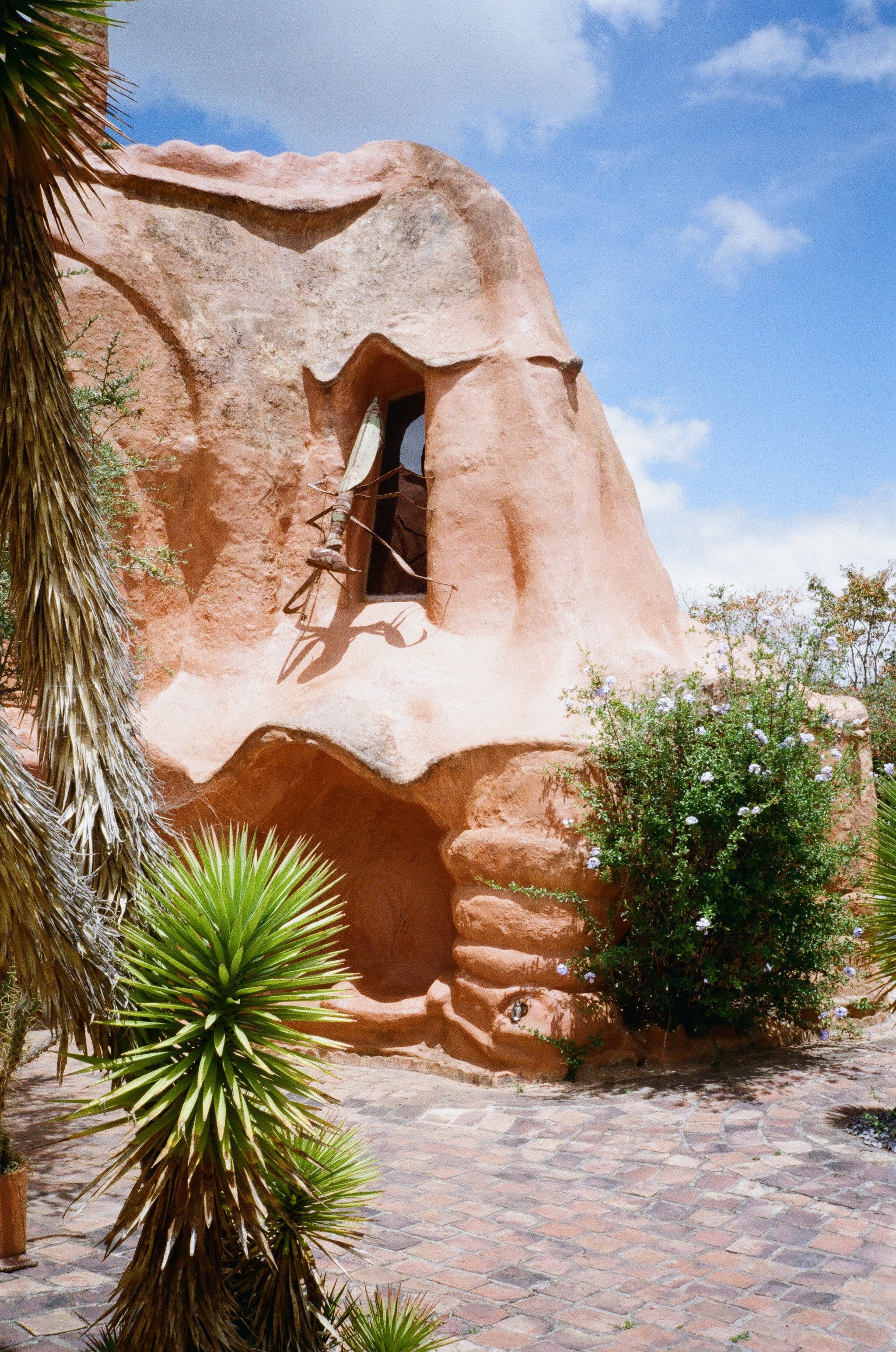
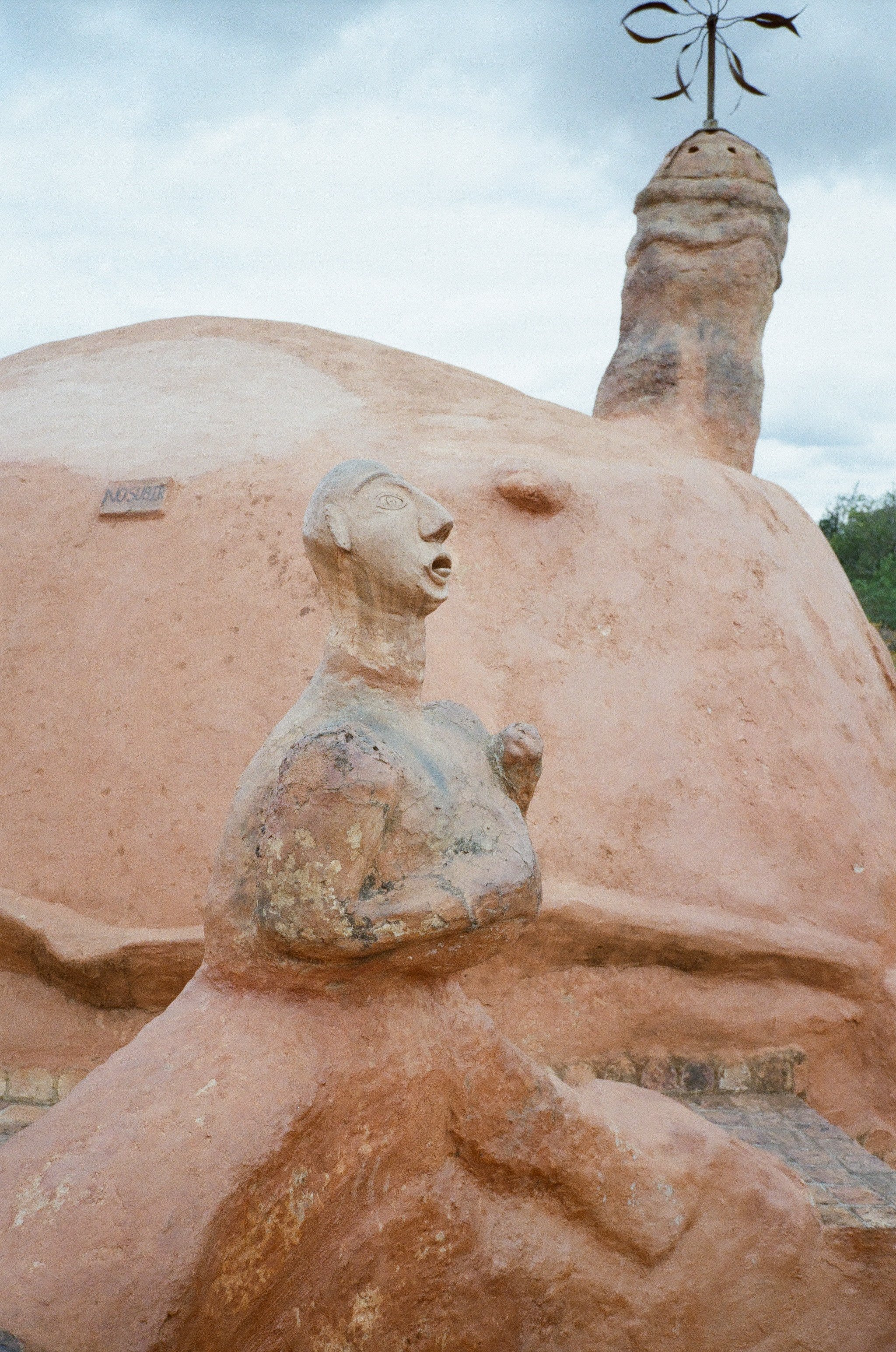
That is exactly what Colombian architect and ceramist Octavio Mendoza Morales has done with Casa Terracota. Instead of building brick by brick with Adobe, Octavio sculpted a Cob-like home entirely out of local clay that is situated and integrated harmoniously with nature.
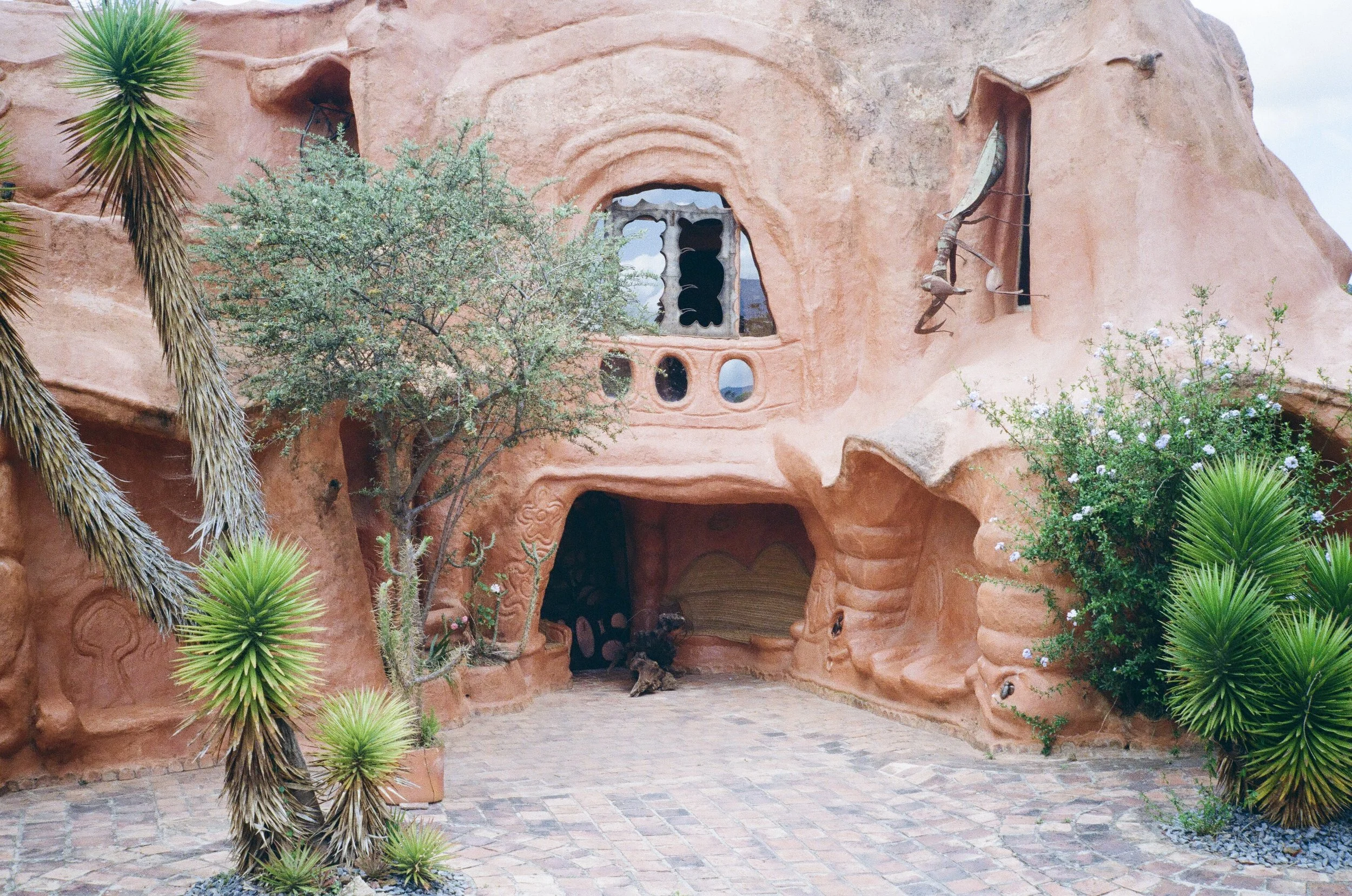
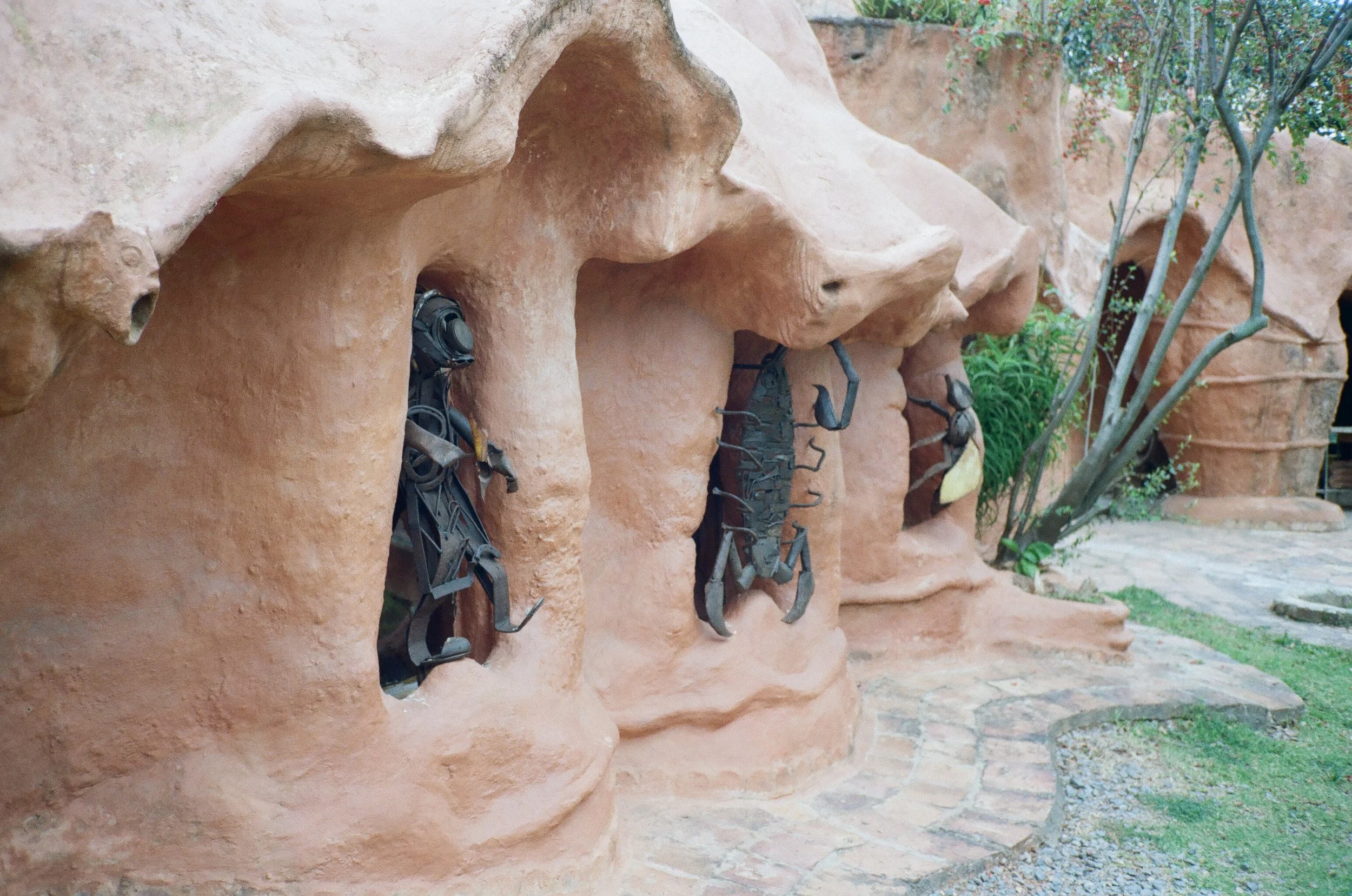
Throughout Casa Terracota, details inspired by nature are sculpted into the sides of the house along with ironworks and natural materials, making the carbon footprint of this house low and incredibly efficient.
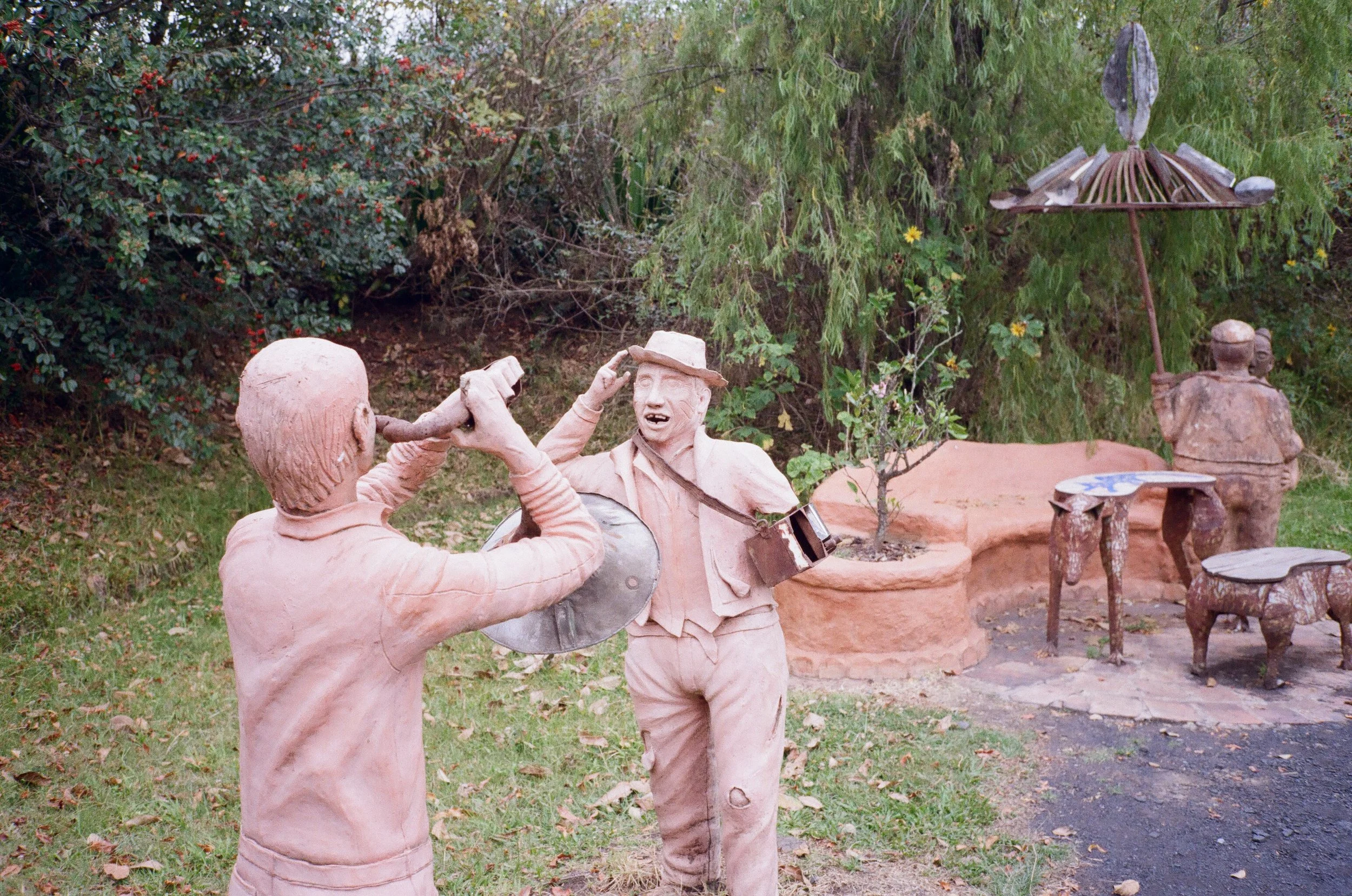
During my walk through of the house, I noticed quirky sculptures of clay people, benches, and tables.
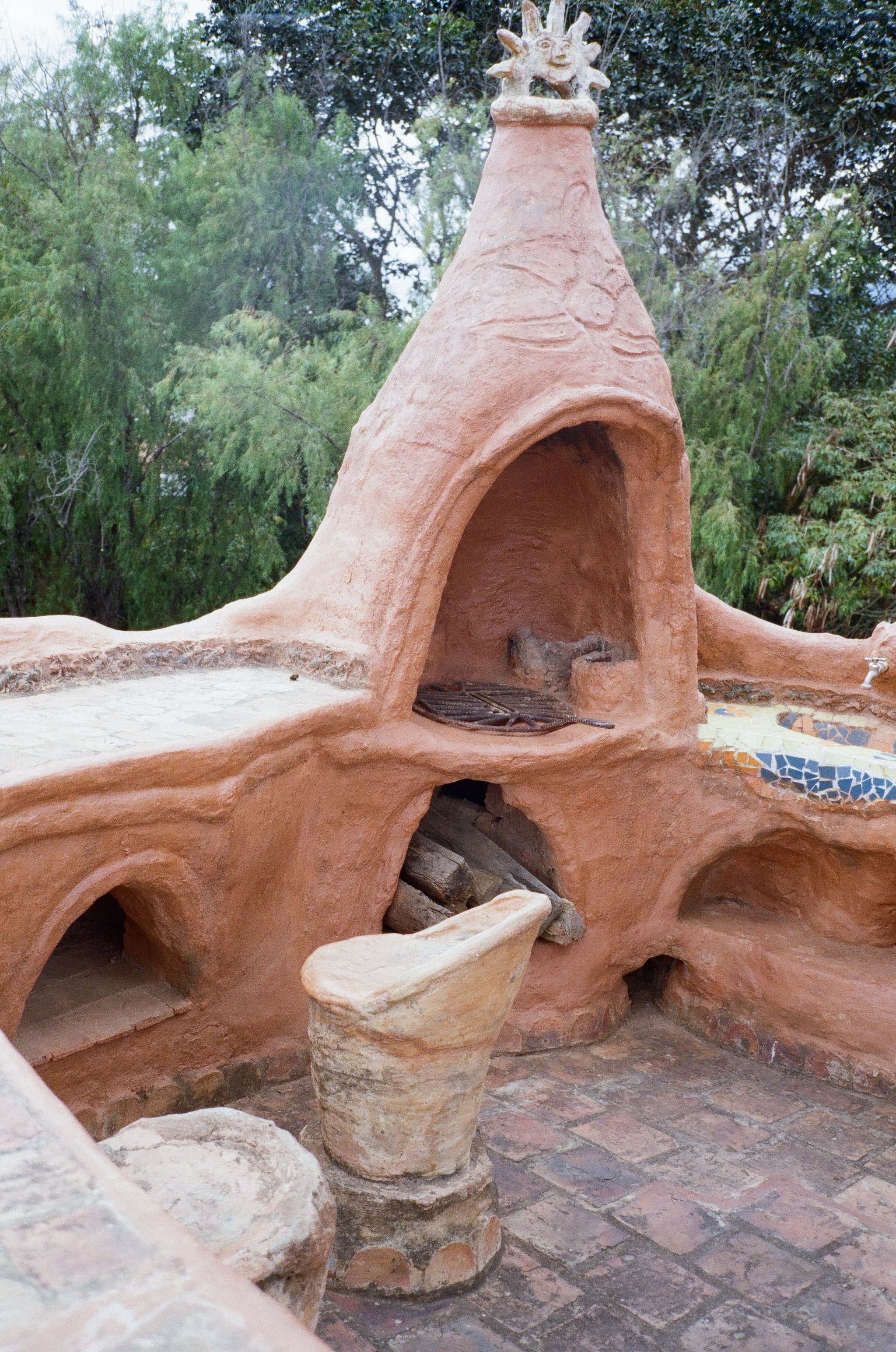
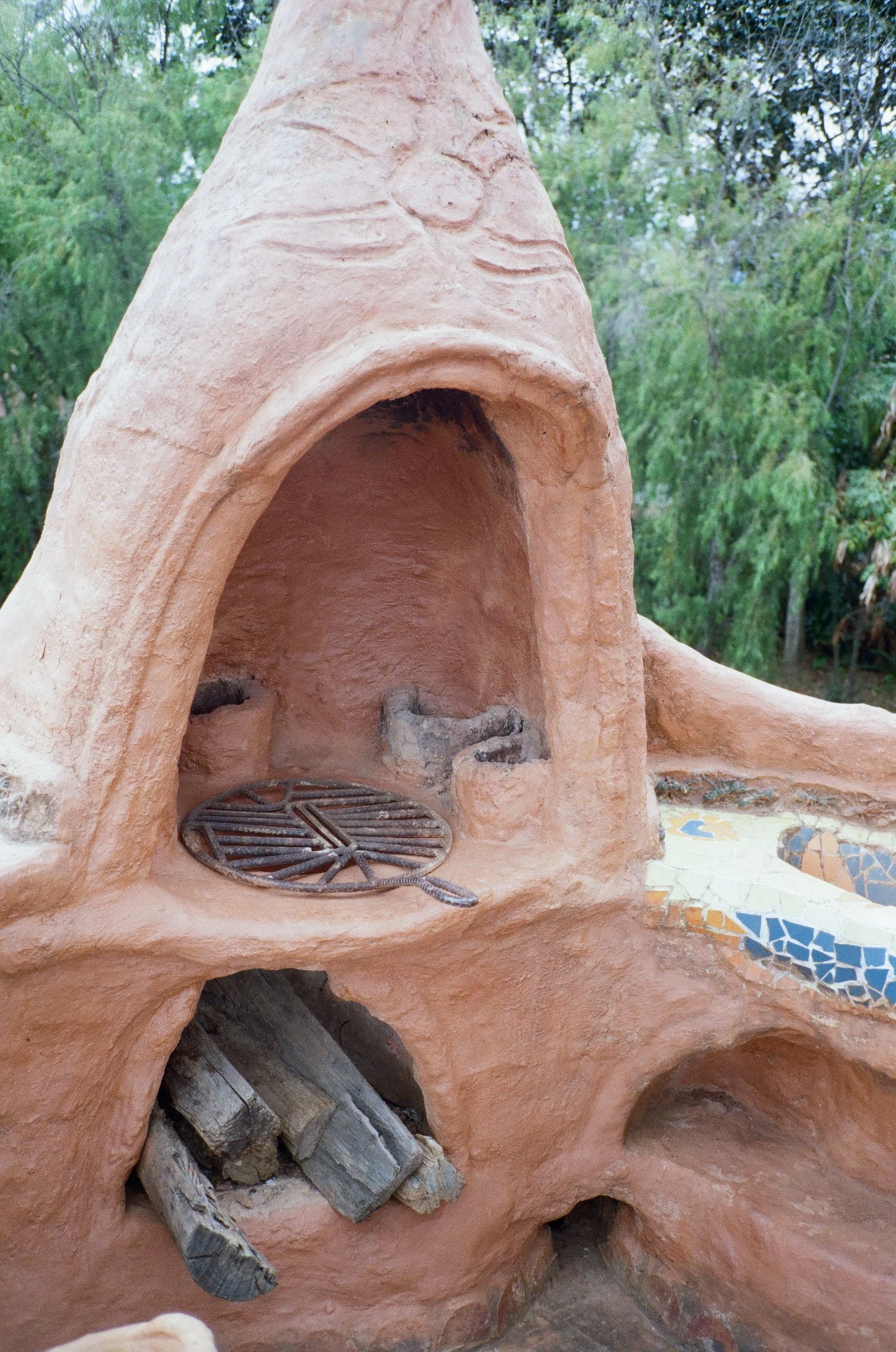
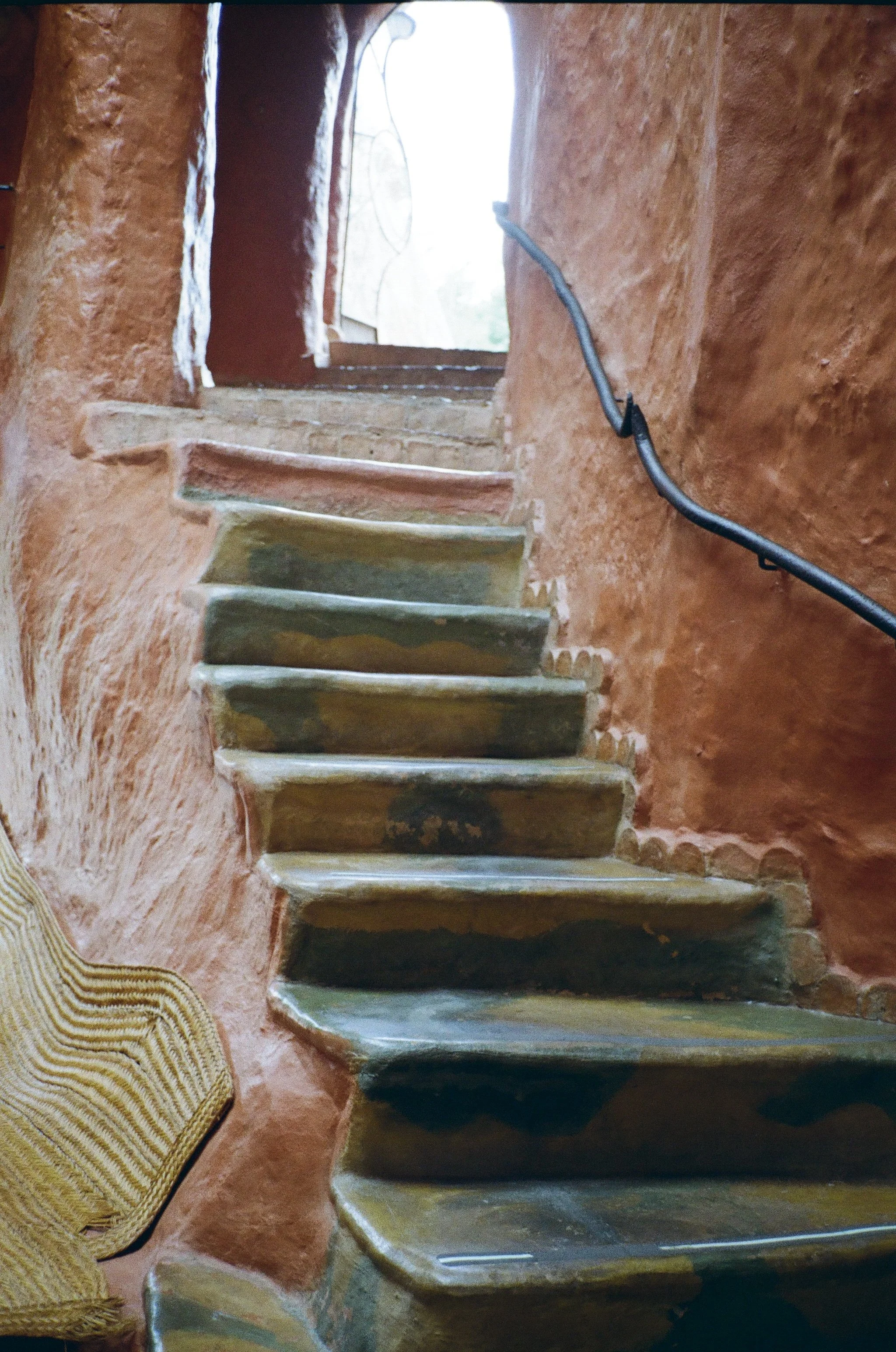
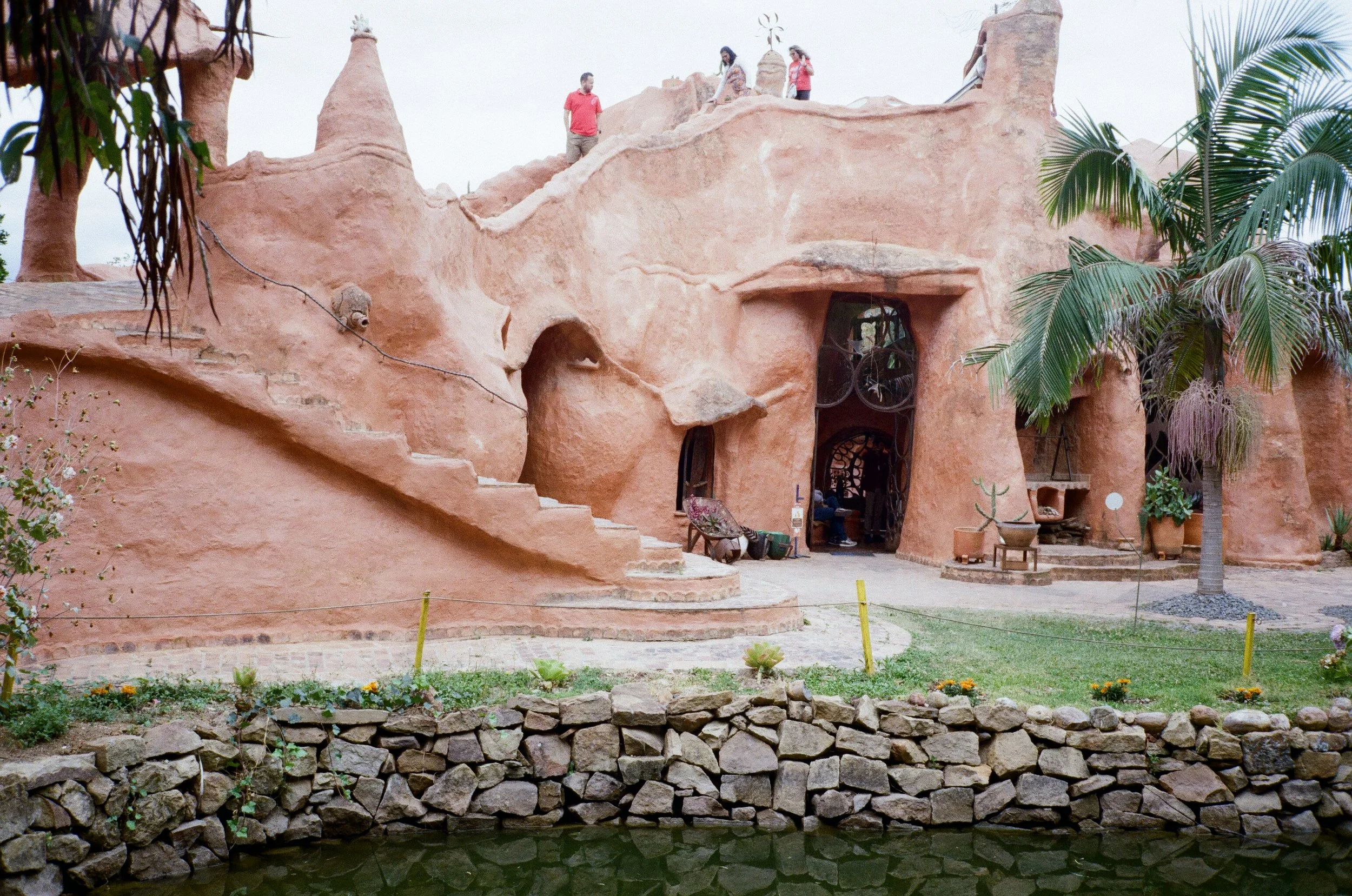
Ovens, stairs, and interior design were all made out of local clay. It was said that Octavio’s inspiration for the build came from the four natural elements of earth, water, air, and fire.
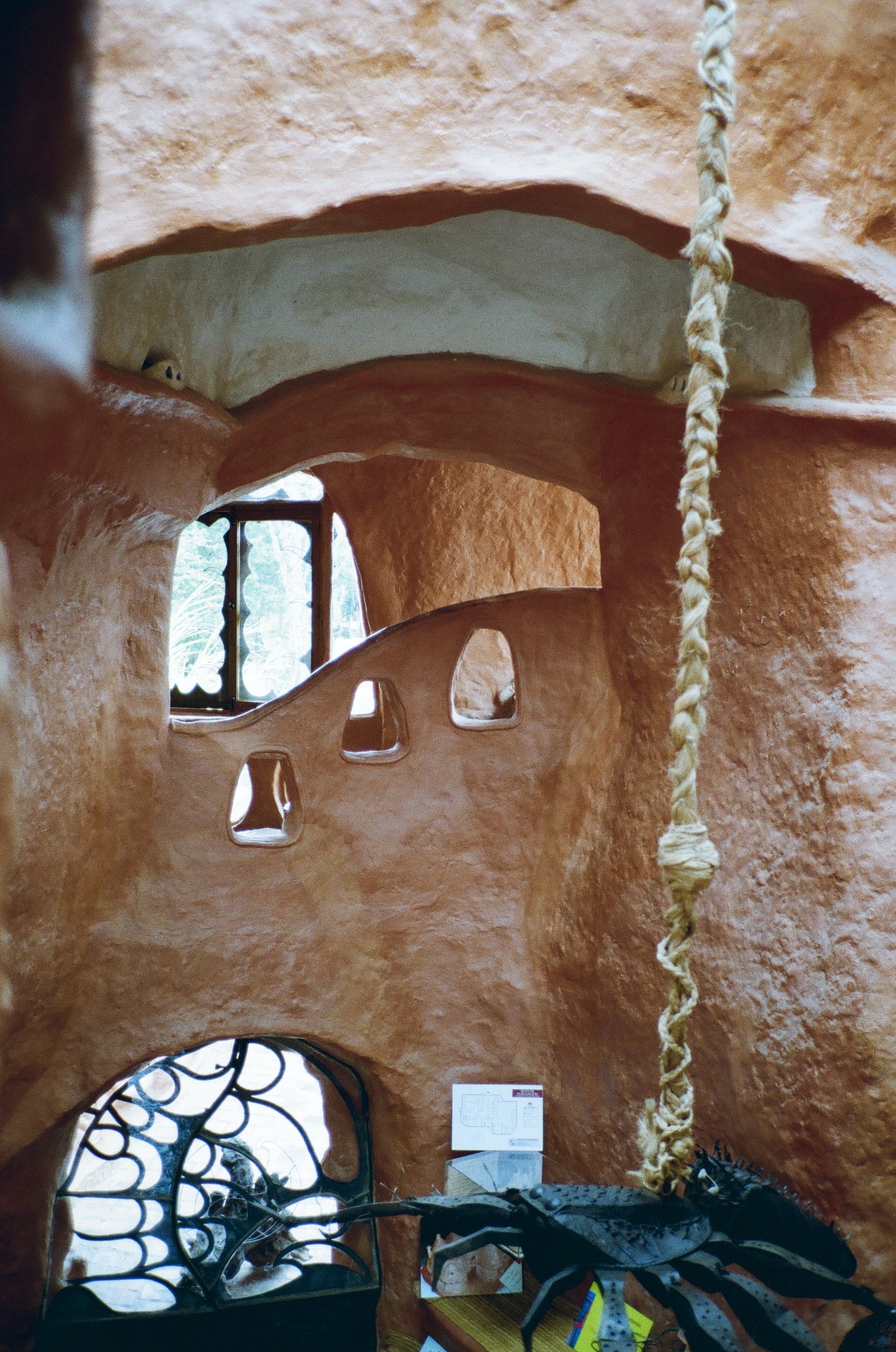
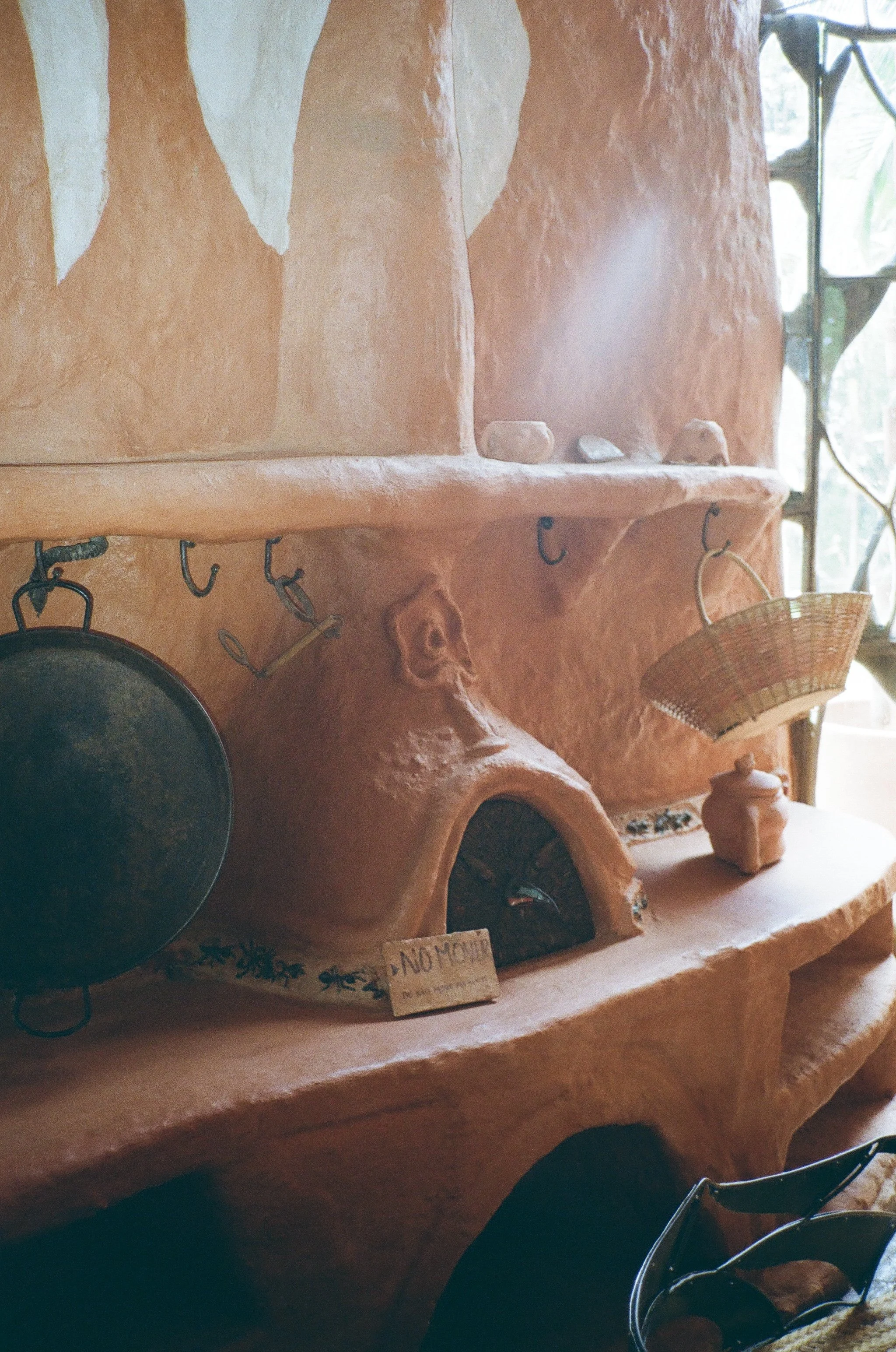
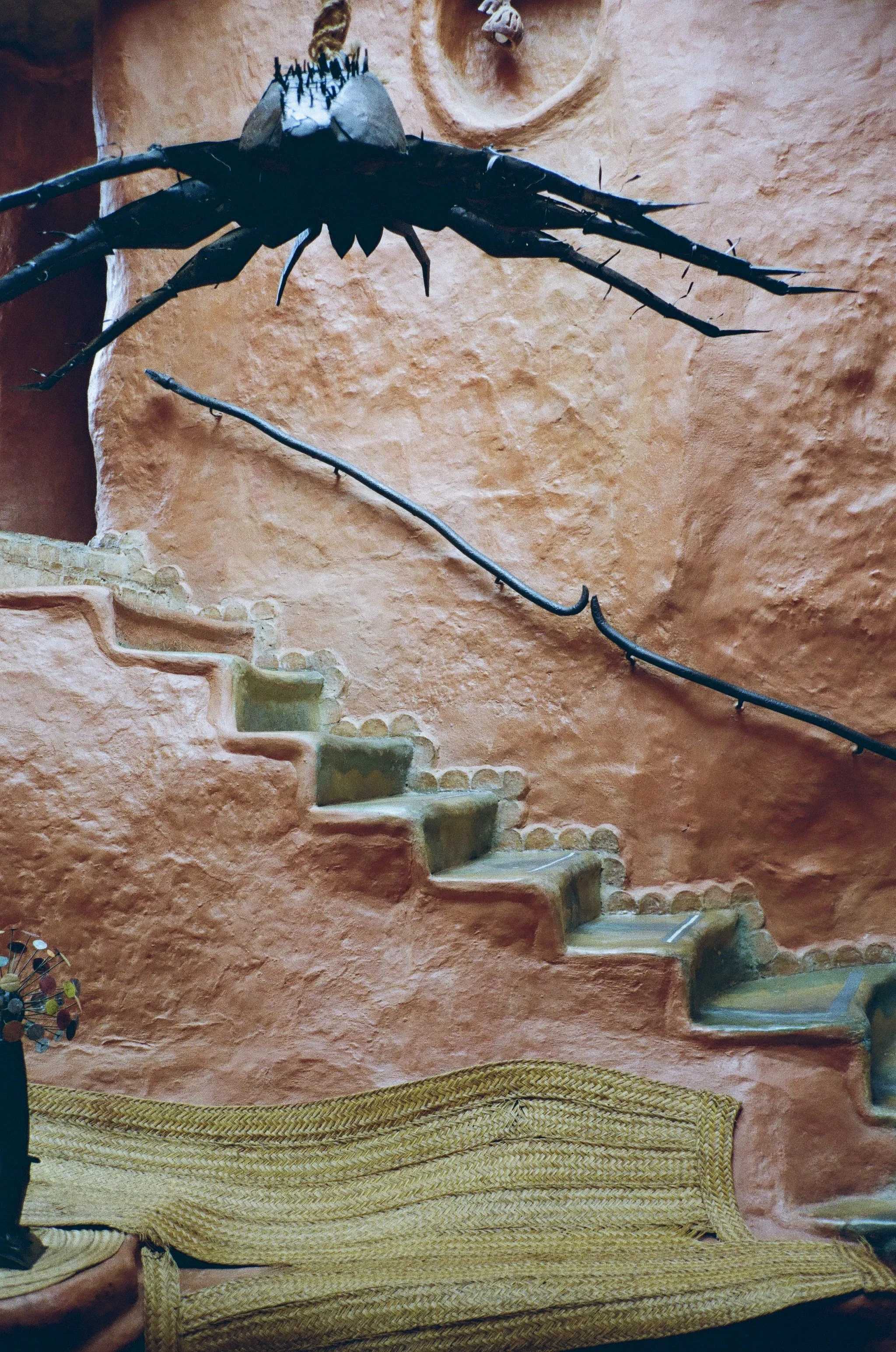
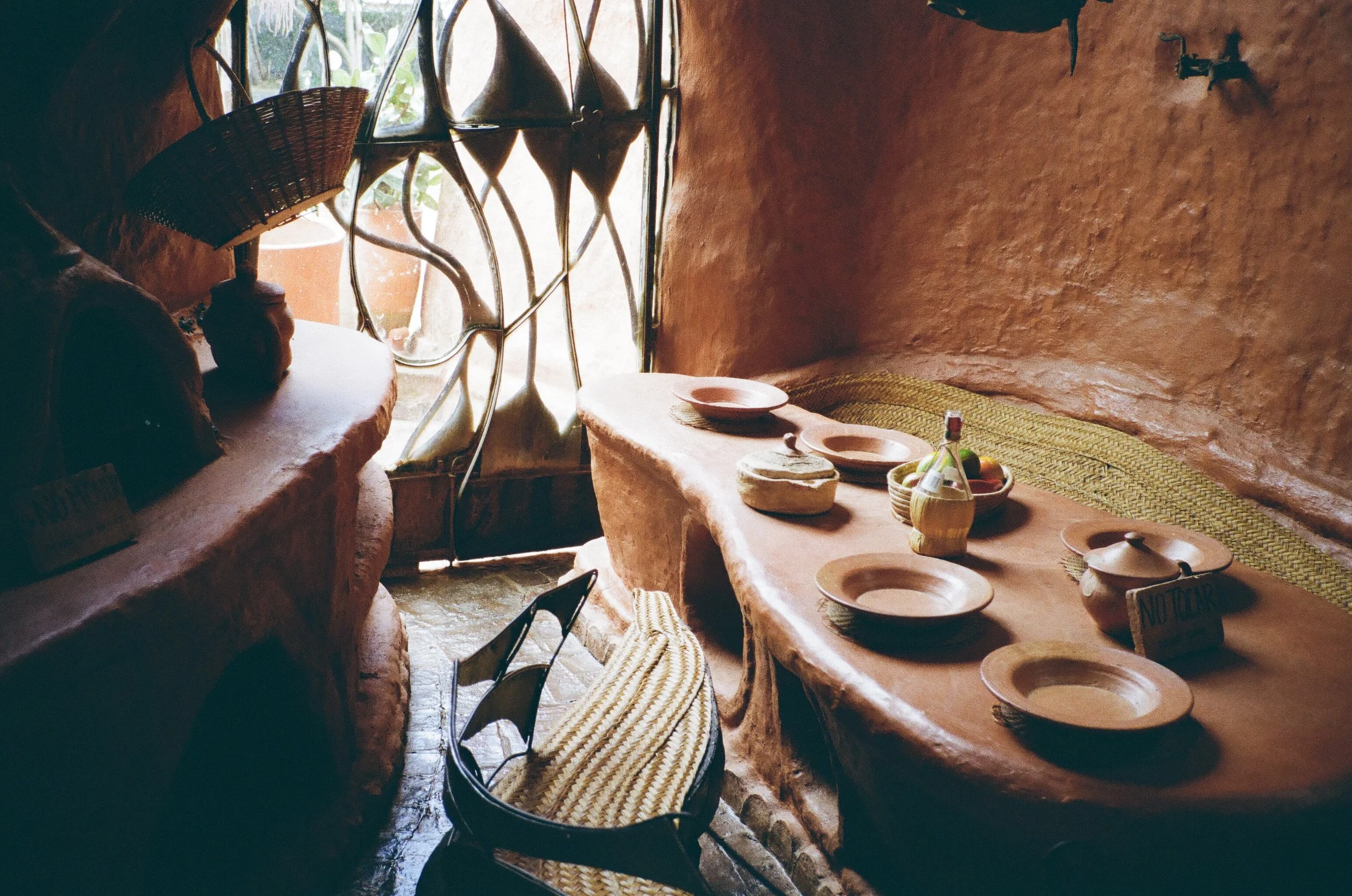
The house was fired in parts at different stages to make the walls durable, transforming it into a solid structure without the need for beams to hold it in place. Casa Terracota is a two-story house, with a total size of 5,400 square feet, making it the largest piece of pottery in the world!
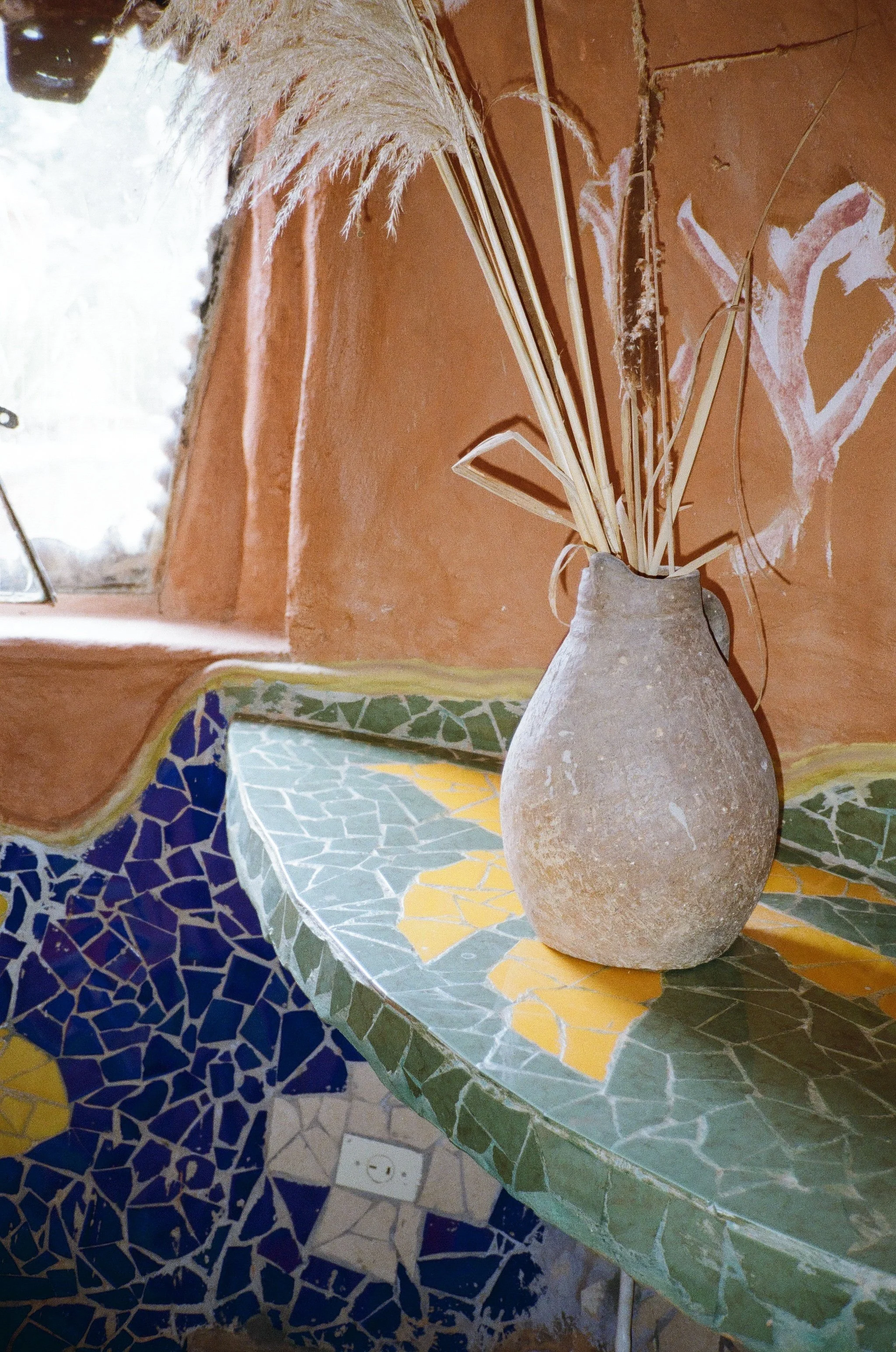
I especially loved the use of mosaic in the restroom, as the colorful tiles brought character to a very neutral house.
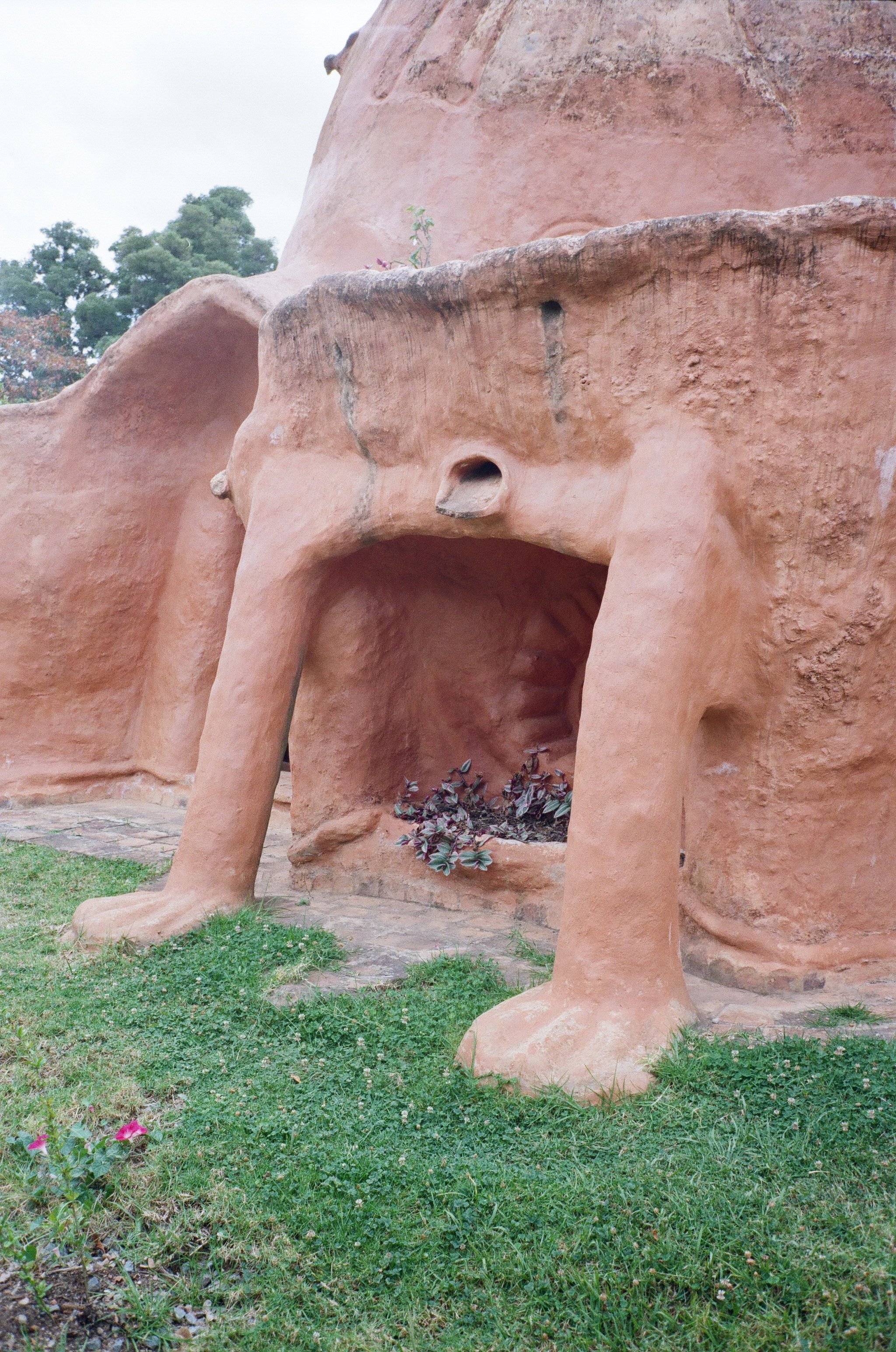
Casa Terracota was nothing short of whimsical. The beauty of handmade is in the imperfections and freedom to play. I couldn’t help but think that Gaudí's architecture in Barcelona (Park Güell and Casa Milà) shares a similar wavy and organic style to that of Octavio’s.
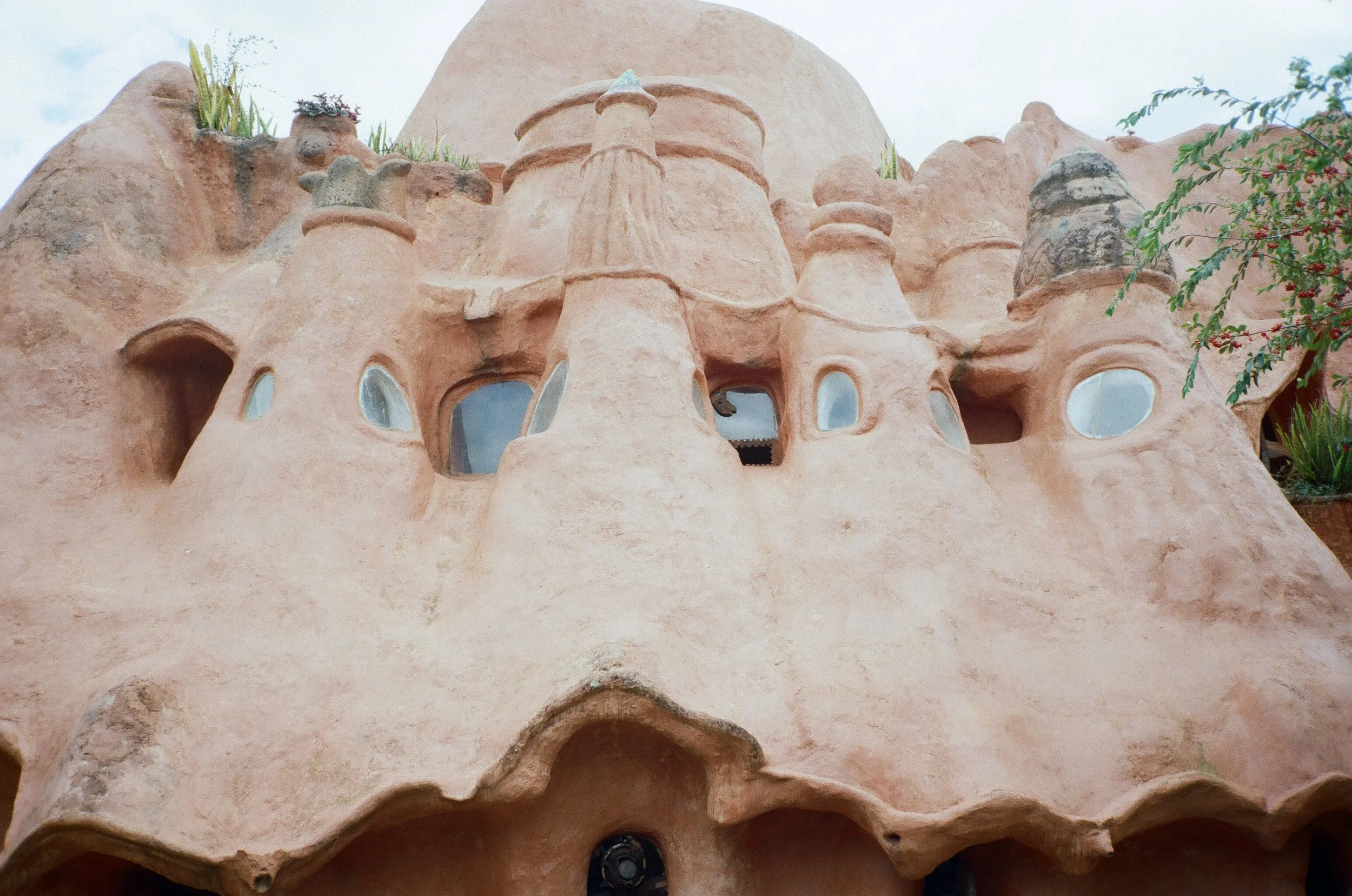
We are so accustomed to seeing straight lines and right angles in most modern-day houses in the U.S., but taking inspiration from curves, arches, domes, and organic shapes found in nature is explained by the Golden Ratio and the Fibonacci series. They are divine and mathematical proportions frequently found in the natural world that showcase sacred geometry and appear in many aspects of life. Think about a seashell, a hurricane, or a galaxy. These are key patterns, I learned when obtaining my permaculture design certification, that can often be found in art and architecture, such as the Mona Lisa, the Great Wall of China, and Greece.
Although I didn’t get a chance to go, if you plan a visit to Villa de Leyva, I highly recommend visiting Ráquira. It’s supposed to be a “clay town” less than an hour away and the pottery capital of Colombia. If you are a lover of the organic arts, ceramics, and handmade, you may want to add Villa de Leyva to your bucket list.
On a side note, it is worth mentioning that taking the bus from Bogotá to Villa de Leyva could take anywhere from three to four hours, depending on road closures and the political climate. Due to the unforeseen Paro Minero and El Paro Campesino, protests for coal miners and farmers, they closed off the main highway the day I was supposed to head back to Bogotá, which resulted in me getting stuck in Villa de Leyva for longer than expected, along with half of France’s visitors… but that’s a story for another day.
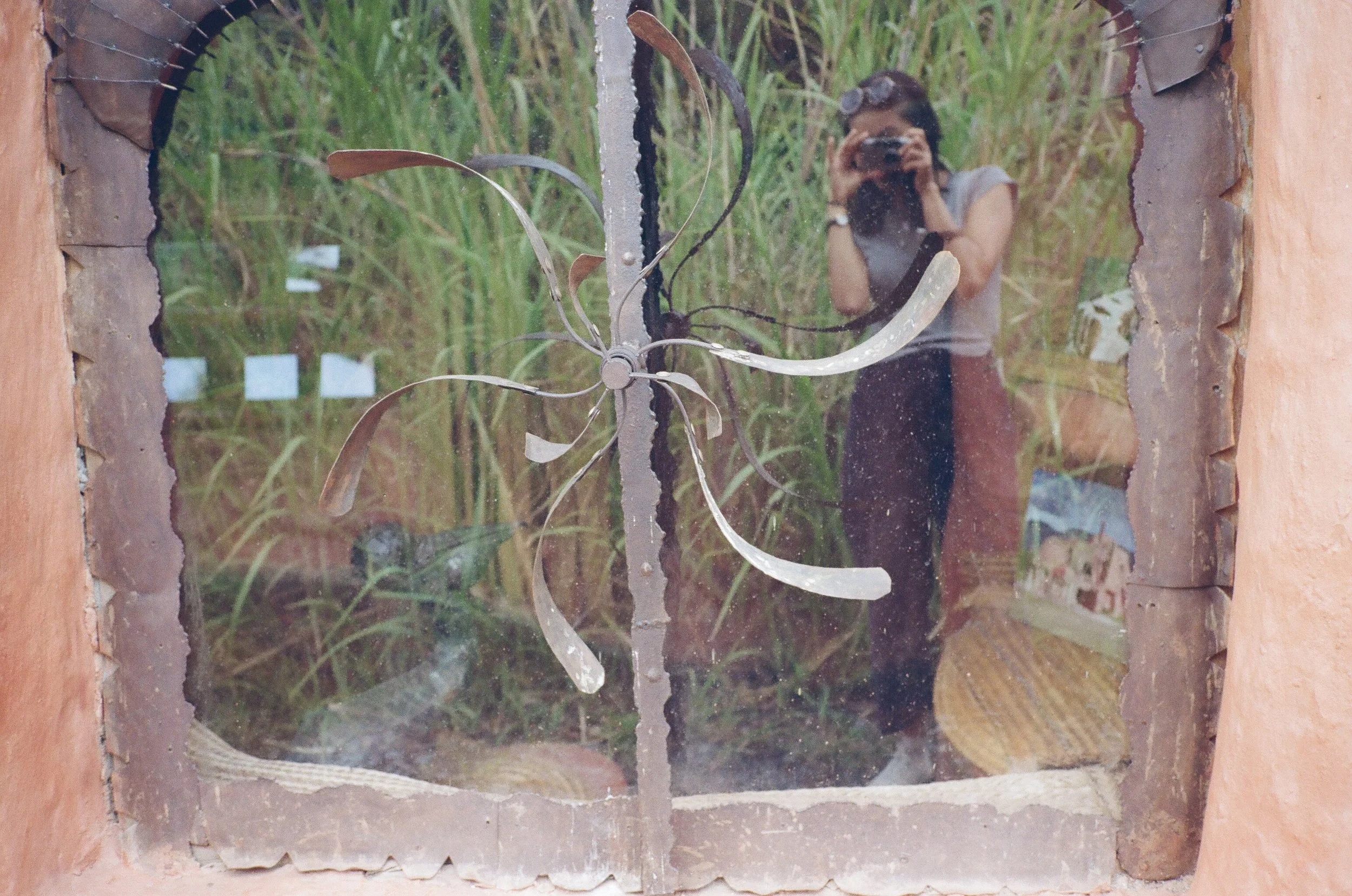
Here I am with my Contax T2, taking my independent journalism role seriously.
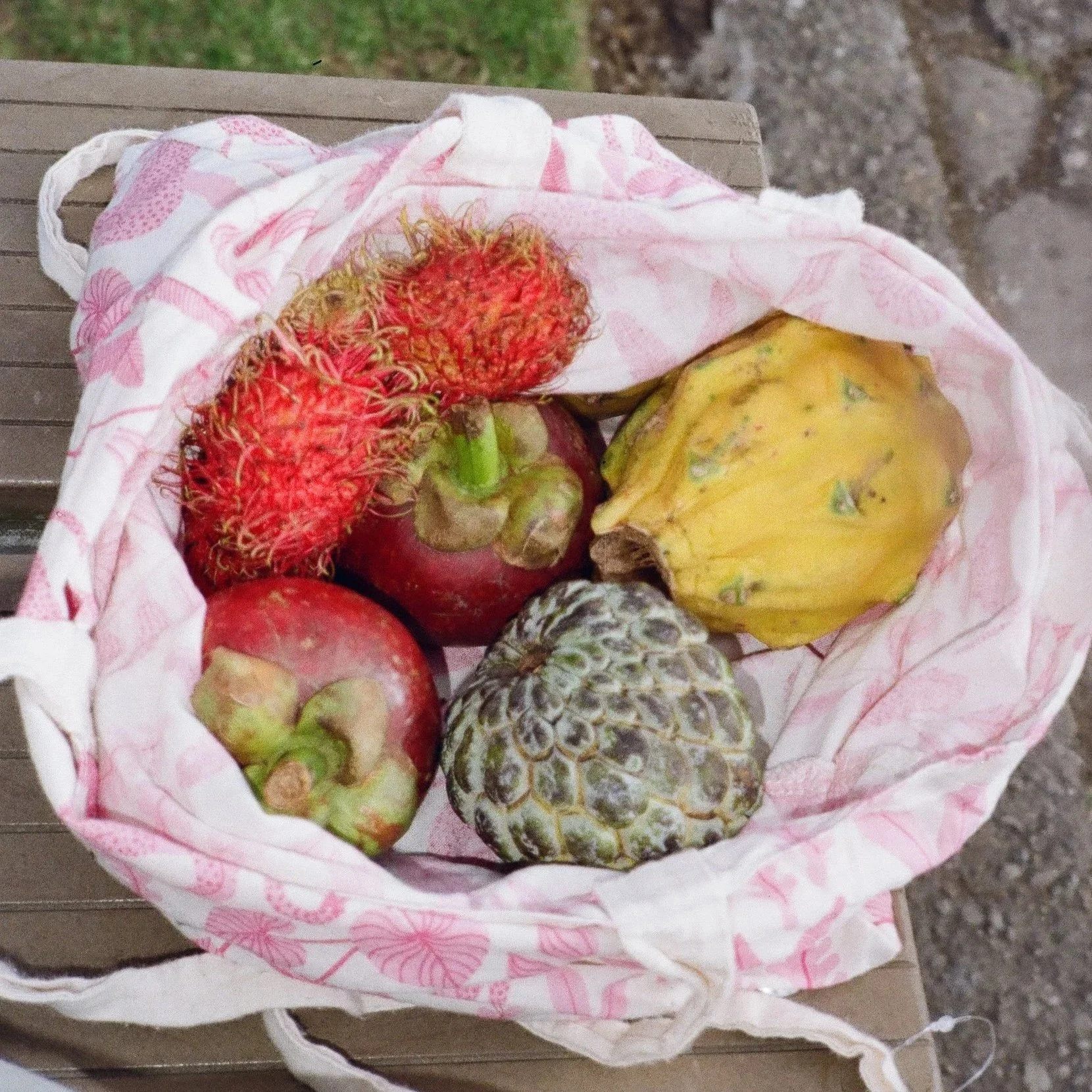
Bonus: Fresh fruits picked up from Paloquemao market in Bogotá, featuring rambutan, mangosteen, yellow dragon fruit, and annon.
Photographs shot on Contax T2, Kodak Gold 200 and Fujifilm 200